
Oct 12, 2023
The Science Behind Temple Bells
Discover the sound engineering and spiritual significance of bells in Indian temples.
Journey through millennia of architectural brilliance, divine heritage, and spiritual awakening across India's sacred temples.
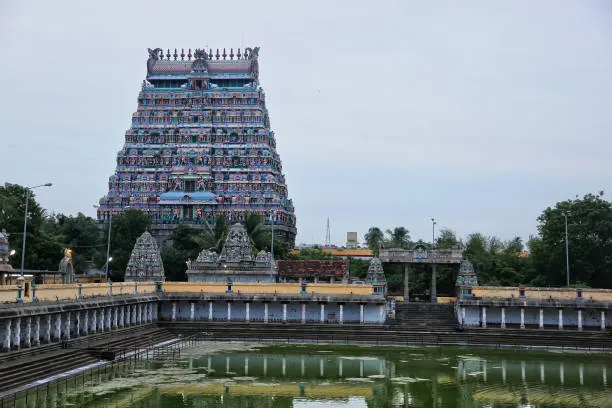
Indian temples are not merely places of worship; they are cosmic observatories, architectural masterpieces, and living records of a glorious civilization. Built using complex geometries, Vastu Shastra, and unparalleled craftsmanship, these structures have withstood the test of time.
From the towering Vimanas of the South to the intricate carvings of the North, every temple tells a story of faith, science, and art intertwined.
Read the Full History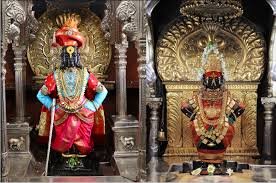
Shri Vitthal Rukmini Mandir in Pandharpur, on the banks of the Chandrabhaga River, is one of Maharashtra's most revered pilgrimage sites and a central shrine of the Varkari Bhakti tradition. Dedicated to Lord Vitthal (a form of Krishna/Vishnu) and his consort Rukmini, it draws millions of devotees, especially during the Ashadhi and Kartiki Ekadashi Wari pilgrimages.
View Details
The Ekalavya Temple in Khandsa village, Gurugram, is the only Hindu temple in the world dedicated to Ekalavya of the Mahabharata. Built in 1721 CE, it marks the spot where Ekalavya offered his thumb to Guru Drona as Guru Dakshina.
View Details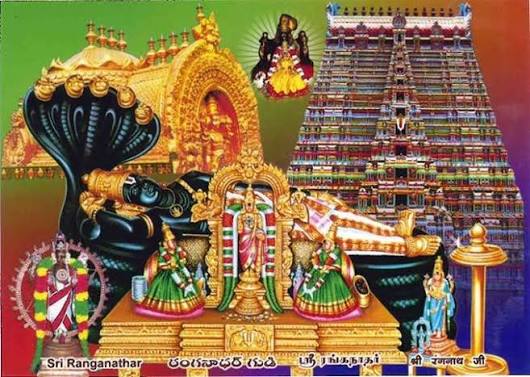
Sri Ranganathaswamy Temple at Srirangam is the world's largest functioning Hindu temple dedicated to Lord Vishnu. It is the foremost of the 108 Divya Desams and is revered as the first among them. Spread across nearly 156 acres with seven concentric enclosures and 21 majestic gopurams, the temple is an architectural, spiritual, and cultural marvel.
View DetailsExplore complete guides including history, architecture, nearby attractions, food, and commute options.
Discover the sound engineering and spiritual significance of bells in Indian temples.